Ancient Vineyards and Wild Herbs: Culinary Alchemy in the Peloponnese
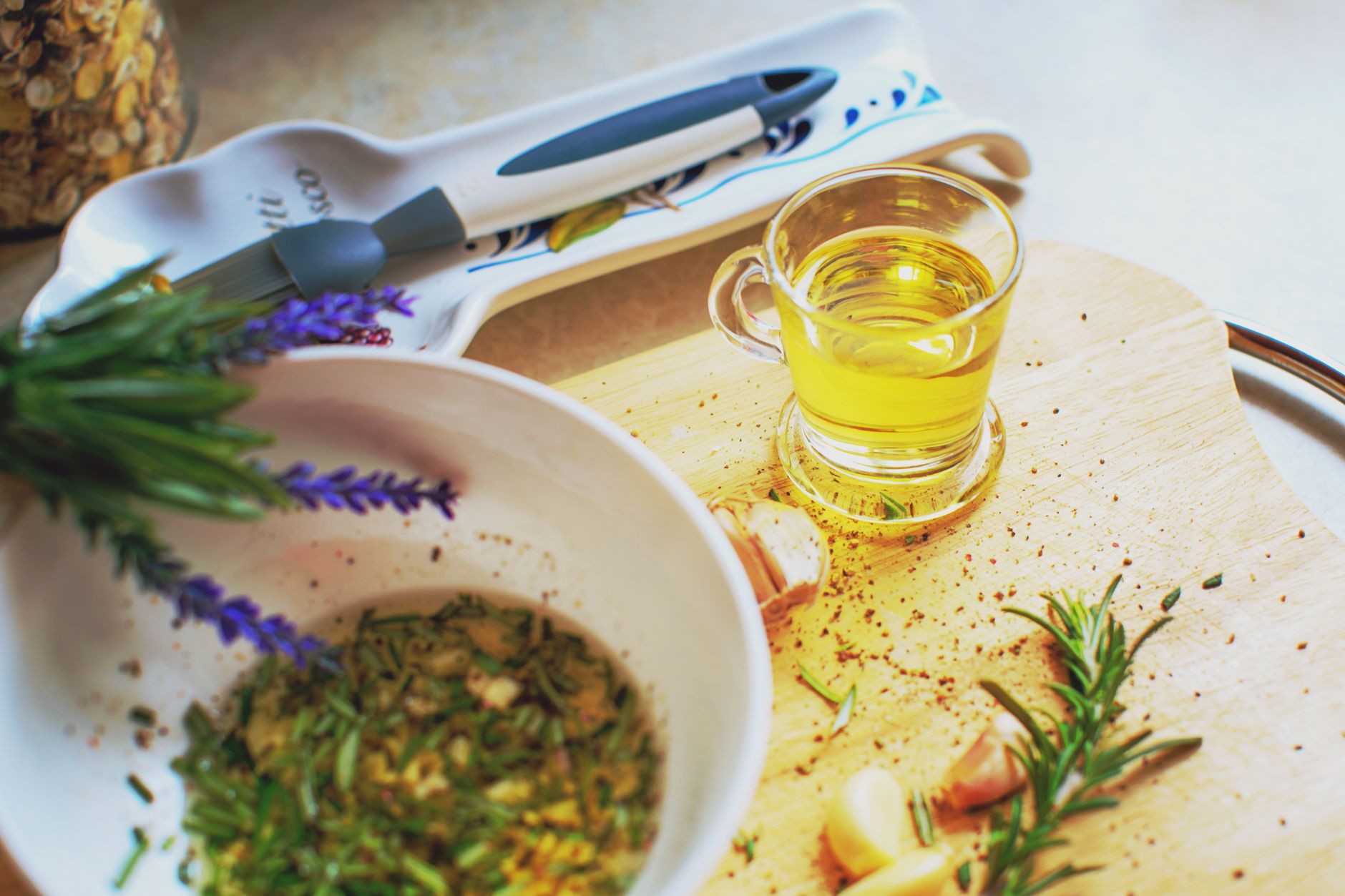
Cold-pressed Manaki olive oil and wild mountain savory harvested in the hills of Arcadia.
Table of Contents
1. The Slopes of Arcadia and Wild Greens
Far from the whitewashed tourist hubs of the Cyclades, the Peloponnese peninsula rises into jagged limestone massifs covered in wild scrub oak, sage, and mountain thyme. Here, culinary identity is not manufactured by celebrity chefs; it is harvested with a pocket knife and canvas apron from the rocky terra rossa soil.
We accompanied Maria, an eighty-year-old grandmother from the mountain village of Dimitsana, as she traversed the terraces at dawn. In less than an hour, her woven basket was heaped with horta—wild dandelion, chicory, sow thistle, and wild mustard. Steamed gently and bathed in bitter green olive oil pressed from centuries-old Manaki trees, these wild greens possess an astringent, vibrant vitality that no cultivated farm leaf can match.
2. Resurrecting Forgotten Varietals: Agiorgitiko & Moschofilero
In the plateau of Mantinia, situated at nearly seven hundred meters elevation, autumn nights drop sharply in temperature. This microclimate preserves electric acidity in the Moschofilero grape, producing pale wines infused with rose petals and citrus peel.
A generation ago, Greek wine was often dismissed as rustic or obscured by resin. Today, independent vintners across Nemea are working biodynamically with old-vine Agiorgitiko, aging wine in clay amphorae rather than heavily toasted new oak. The resulting vintages speak eloquently of blackberry brambles, dried oregano, and warm slate.
"Wine is sunlight held together by water and soil. If you over-extract it in the cellar, you silence the mountain."
3. Bread Baked in Stone Hearth Ovens
Every Wednesday morning in the mountain hamlet of Stemnitsa, the communal wood-fired oven is fired with dried olive prunings and juniper twigs. Dough made from coarsely ground durum wheat and a wild sourdough starter that has lived for forty years is kneaded by hand on seasoned chestnut boards.
The aroma that fills the village square as the loaves blister against the stone roof is a testament to the endurance of peasant gastronomy. There is no haste, no chemical leavening—only temperature, wood smoke, and patience.
4. The Slow Communion of the Village Table
A Peloponnesian meal rarely concludes before three hours have passed. Plates are shared communally; there is no rigid hierarchy of courses. A bowl of sheep's milk feta sprinkled with oregano sits alongside roasted wild artichokes, slow-braised goat with lemon, and carafes of pale copper-colored wine.
In 111111's exploration of world food cultures, this table stands as an archetype: true luxury is not rare caviar or gilded service, but food that has not lost its connection to the earth and the hands that coaxed it into being.